What Are The Benefits of Regular Exercise?
Exercise is one of those things most of us know we “should” do, yet it’s not always easy to stick with. Busy schedules, long work days, aching joints and the temptation of a sofa can easily knock fitness down the priority list. But when exercise becomes a regular part of life rather than something we occasionally force ourselves to do, the benefits run far deeper than toned muscles or lower body fat.
Regular movement supports your heart, improves posture, strengthens bones, lifts mood, sharpens memory, reduces disease risk and helps you feel more capable in everyday life. In many ways, it’s one of the most reliable tools we have for improving health and quality of life — backed not by trends, but by decades of research.
Below, we explore the key physical, mental and lifestyle benefits of staying active, while also touching on practical ways to exercise safely, sustainably and with purpose.
Healthier Heart & Circulation
One of the strongest findings in modern health research is that regular physical activity supports cardiovascular health. The NHS states that exercise strengthens the heart, helps it pump blood more efficiently and lowers the risk of heart disease, stroke and high blood pressure.
(Source: NHS Health Guidance)
This doesn’t mean hammering workouts every day. Even brisk walking, structured resistance exercises, steady cycling or mobility-based sessions can contribute toward better heart function and circulation. Over time, the body adapts, making everyday tasks feel easier while supporting long-term health.
Stronger Muscles, Bones & Joints
As the body ages, muscle mass naturally declines, and bones can become more fragile. Regular exercise helps counter that process. Strength training encourages muscle growth, supports bone density and improves joint stability.
Harvard Medical School notes that strength-based exercise stimulates the body to maintain strong bones and helps prevent loss of muscle tissue as we get older.
(Source: Harvard Health Publishing)
Whether lifting weights, using resistance bands, or working with body-weight movements, the body responds to challenge by becoming more resilient. For those who feel stiff, achy or unsteady, gentle but consistent resistance training can be transformative.
Better Mood & Reduced Stress
Exercise has a powerful effect on both emotional wellbeing and mental clarity. Studies show that movement encourages the brain to release endorphins while also supporting neurotransmitters associated with reduced stress and improved mood.
According to the Mental Health Foundation, even moderate physical activity can reduce feelings of anxiety, boost self-esteem and support long-term mental wellbeing.
(Source: Mental Health Foundation UK)
For many people, the greatest benefit is psychological: feeling calmer, more grounded and more capable of dealing with everyday challenges.
Improved Sleep & Energy Levels
We often think being active will leave us tired, but the opposite tends to be true. Regular exercise helps regulate sleep patterns, encourages deeper rest, and improves energy levels throughout the day. The body becomes more efficient at using oxygen, managing blood sugar and maintaining balanced hormone levels — all factors that contribute to feeling less sluggish.
The Sleep Foundation highlights physical activity as a positive influence on sleep quality, both for falling asleep more easily and staying asleep longer.
(Source: Sleep Foundation)
So if fatigue is common, exercise can be an important piece of the puzzle.
Greater Mobility & Everyday Strength
Many people don’t exercise to “get fit” — they do it to feel more comfortable in day-to-day life. Being able to lift, bend, walk, garden, play with children, carry shopping or get up from the floor without discomfort can dramatically improve quality of life.
Consistent exercise helps:
- ease stiffness
- improve posture
- support balance
- reduce joint pressure
- encourage smoother, more confident movement
Even small improvements in mobility can mean less physical strain and more freedom to enjoy hobbies or everyday routines.
Weight Management Without Extreme Measures
Exercise isn’t a magic solution by itself, but combined with sensible nutrition, it plays a strong supporting role in healthy weight maintenance. Movement helps regulate appetite signals, increases calorie expenditure, builds lean tissue and supports metabolic health.
Public Health England emphasises that physical activity is a key contributor to long-term weight control, particularly when paired with lifestyle habits that prioritise balance rather than restriction.
(Source: Public Health England)
The most important part is sustainability — regular, enjoyable exercise carried out consistently has far more impact than short bursts of intense effort that quickly drop away.
Reduced Risk of Illness
Research consistently shows that active lifestyles are linked to reduced risk of several major health conditions, including:
- type 2 diabetes
- heart disease
- osteoporosis
- certain cancers
- hypertension
NHS guidance highlights exercise as a protective factor not only against disease, but also against complications associated with ageing. Small amounts of regular movement can have surprising preventative effects over the course of a lifetime.
Improved Confidence & Self-Belief
There’s something deeply empowering about feeling physically capable. When you feel stronger, move better, or complete something you once found difficult, confidence grows quietly in the background.
Exercise can reshape identity in subtle ways:
- “I can do that now.”
- “My body isn’t working against me.”
- “I didn’t think I’d manage that, but I did.”
Those experiences build personal belief, not just muscle.
The Value of Training Safely
Before diving into exercise more regularly, it’s worth remembering that form, posture and load selection matter. For people dealing with discomfort, previous injuries, reduced mobility or long gaps away from fitness, it can be helpful to work with guidance rather than trying to figure everything out solo.
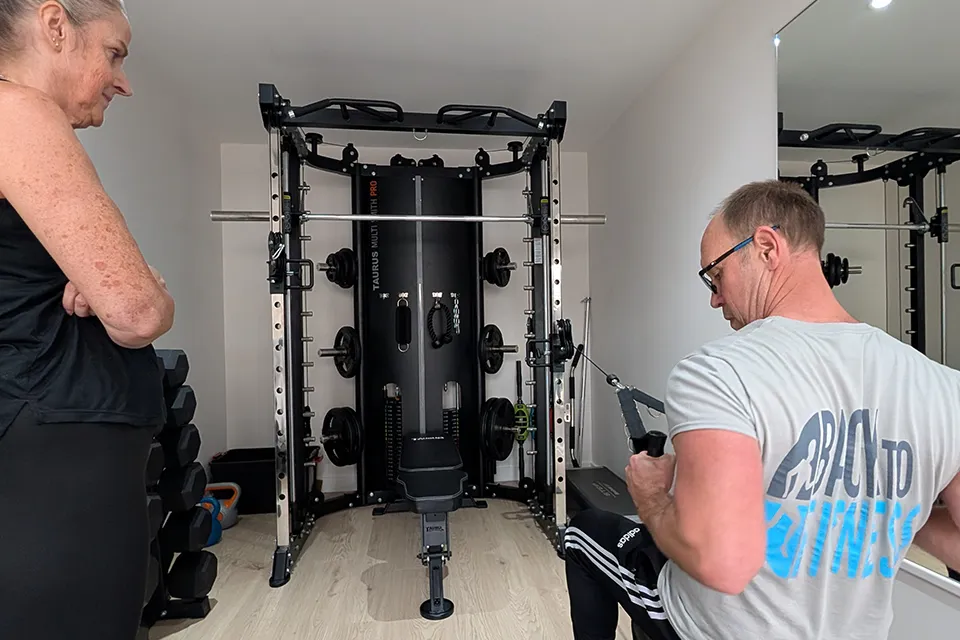
That’s why structured exercise programmes — especially those supported by professional supervision — often lead to better outcomes. For example, if you’d like to build strength, improve mobility or develop confidence, working with the Back To Fitness team through their 1-to-1 Personal Training Sessions can provide tailored support, movement assessment and a plan that adapts to your ability.
Making Exercise Part of Real Life
Regular exercise doesn’t have to mean endless gym sessions or chasing perfection. In reality, it can be:
- structured training
- walking
- body-weight strength sessions
- stretching
- cycling
- mobility routines at home
The key word is regular. Small, consistent actions produce more meaningful change than occasional intense ones.
The benefits of exercise build quietly over time. Less stiffness. More confidence. Better sleep. Stronger muscles. Clearer mind. Those improvements rarely happen overnight, but when they arrive, they’re noticeable — and they tend to stay.
A Helpful Reminder
Before making changes to your activity routine, especially if you have underlying health conditions, pain or mobility concerns, it’s best to speak with a medical or rehabilitation professional. This content is informational only, not a substitute for individual medical advice.
Regular exercise is one of the simplest, most accessible ways to improve how you feel, move and live. When done in a way that suits your body and lifestyle, it becomes more than simply “working out”. It becomes an investment in your comfort, confidence and long-term health.
If you’re curious about starting structured training, exploring the 1-to-1 Personal Training Sessions at Back To Fitness could be a supportive first step. Confidence grows fastest when movement makes sense and progress feels achievable.
And once exercise becomes the rhythm of your life rather than an occasional chore, the benefits tend to follow all on their own.