How to Choose the Best Local Personal Trainers Near You
Searching for a personal trainer online can feel oddly overwhelming. You get dozens of profiles, an assortment of certifications you have never heard of, and prices that vary without obvious reason. Most people trying to return to regular exercise or manage a persistent injury simply want to know whether a trainer will actually understand their situation and help them move forward safely. This guide gives you a practical way to cut through that noise. It covers what qualifications to look for, how to read a trainer’s communication style before you commit, and how to tell whether their approach genuinely suits what you are trying to achieve.
Start with Recognised Qualifications
In the United Kingdom, personal training is not a legally regulated profession, which means anyone can call themselves a trainer without formal study. That makes it your responsibility to check what is actually on the table. The baseline you should look for is a Level 3 Certificate in Personal Training, awarded through a body accredited by Ofqual or the Scottish Qualifications Authority. This is the minimum standard recognised by most gym operators and professional bodies. Some trainers hold additional qualifications in areas like sports nutrition, corrective exercise, or rehabilitation. These are worth noting if your goals involve pain management or returning from injury, but a Level 3 is the foundation that matters first. Ask directly. A confident, credible trainer will have no hesitation telling you where they trained, what they hold, and how recently they have updated their knowledge through continuing professional development.
Check Whether They Hold Professional Insurance
Professional indemnity and public liability insurance are not glamorous topics, but they tell you something important about how seriously a trainer takes their practice. A trainer who works without insurance creates risk for themselves and for you. Reputable trainers register with organisations such as CIMSPA or REPs, both of which require members to hold adequate insurance as a condition of membership. You can ask to see a membership number and verify it directly on the relevant professional body’s website. This single check rules out a significant portion of unqualified operators advertising locally.
Assess How They Listen Before You Sign Anything
The first proper conversation with a personal trainer tells you a great deal. A good trainer will spend more time asking questions than promoting their own services. They should want to understand your current activity levels, any pain or injury history, what you have tried before, and what your actual goal looks like in practical terms. If a trainer skips past this and moves straight to selling you a package, treat that as a warning sign. Training without that background knowledge increases the chance that the programme you end up following will not address what you actually need. Most reputable local trainers offer a free or low-cost initial consultation. Use it. Notice whether they make you feel heard or whether they seem to be fitting you into a template they have used for every client that week.
Look for a Philosophy That Matches Your Goal
Personal trainers tend to have a coaching philosophy, even if they do not always describe it in those terms. Some focus primarily on aesthetics and performance metrics. Others centre their work on movement quality, pain reduction, and building sustainable habits over time. Neither is wrong, but only one of them is right for you. If you are returning to exercise after a gap, recovering from an injury, or dealing with age-related aches, a trainer whose entire social media presence is about maximum effort and dramatic transformations is probably not calibrated for where you are right now. Look instead for someone who talks about progress in honest terms, acknowledges that setbacks happen, and explains the reasoning behind what they programme rather than just telling you to trust the process.
Consider the Training Environment
Where you train matters more than it might seem at first. Large commercial gyms can be intimidating, particularly for anyone returning to exercise after a long break or dealing with low confidence. Busy floors, queues for equipment, and a general atmosphere built around competitive performance are not always the most supportive setting for someone who needs to build gradually and consistently. Private studios or smaller facilities often offer a quieter, more focused environment where the trainer’s full attention stays on you rather than being split across multiple clients. When you are searching locally, it is worth visiting the space before committing to see whether it feels like somewhere you would actually look forward to attending, or somewhere you would find reasons to avoid.
Ask About How They Support You Between Sessions
A session once or twice a week represents a small fraction of your week. What happens in the remaining hours matters too. Ask potential trainers what support looks like outside of scheduled sessions. Do they provide workout plans you can follow independently? Is there a way to contact them if you have a question about technique or pain between appointments? Do they offer any guidance on nutrition or recovery, even at a basic level? The answers will vary, but trainers who have thought carefully about ongoing client support tend to produce better long-term results. Those who treat each session as a standalone transaction with no connection to your wider week are harder to build real progress with.
A Note on Finding Local Trainers Near You
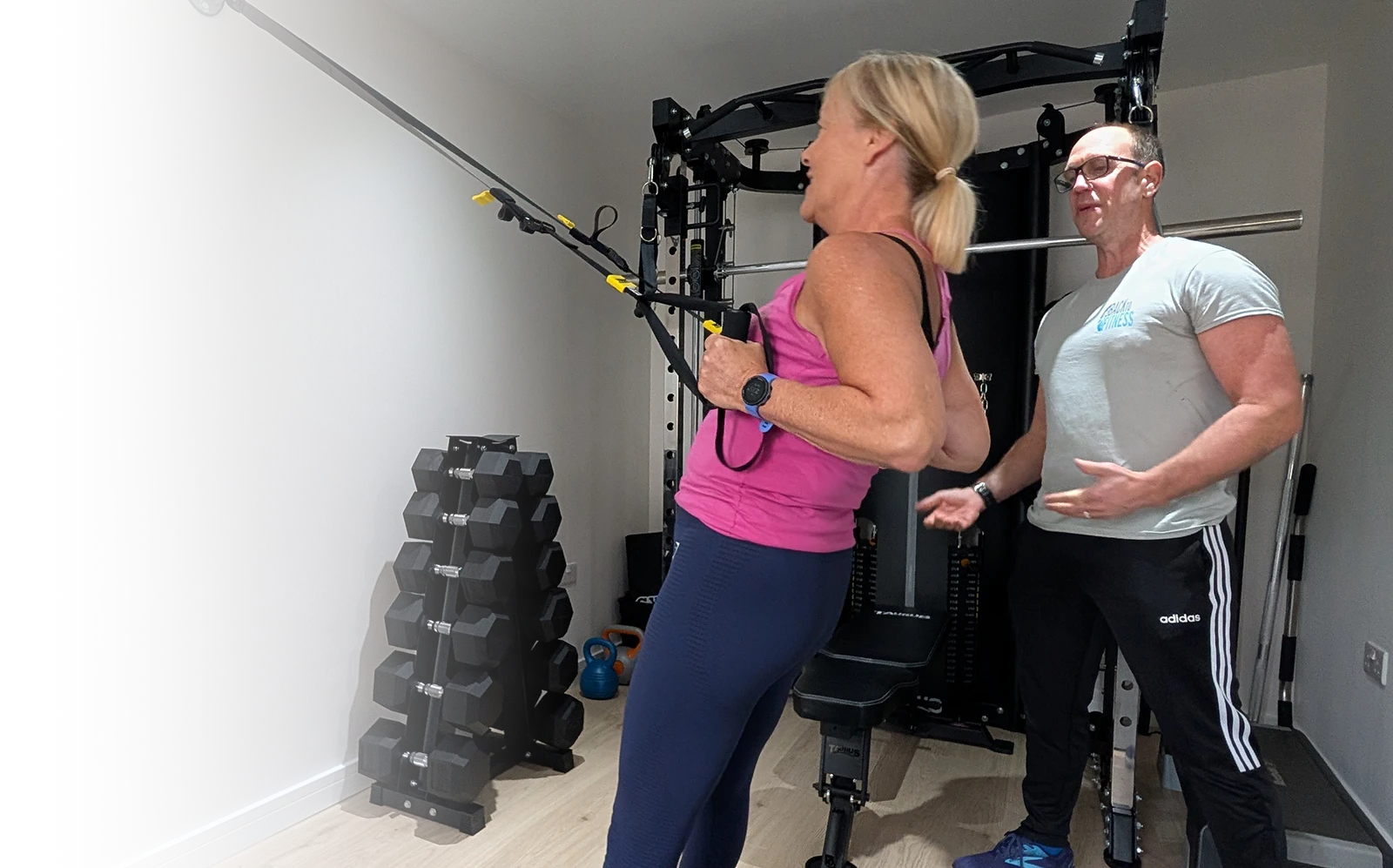
When you search for local personal trainers near you, the results will include a mix of sole traders, private studios, and gym-employed coaches. The proximity of a trainer is a practical consideration, but it should not be the deciding factor on its own. A studio that is five minutes further away but run by someone whose approach genuinely fits your needs is a better choice than the closest option that treats every client identically. If you are based in or around Llanelli, Back To Fitness offers one to one personal training from a private studio environment, led by a coach with over two decades of hands-on experience. You can find out more about the approach and get in touch through the main Back To Fitness page.
FAQS
What qualifications should a personal trainer have in the UK?
The minimum standard to look for is a Level 3 Certificate in Personal Training, awarded through an Ofqual or SQA-accredited provider. Some trainers hold additional qualifications in areas such as nutrition, injury rehabilitation, or corrective exercise. Membership of a professional body like CIMSPA or REPs is also a positive indicator, as these organisations require members to maintain insurance and keep their knowledge current.
How do I know if a personal trainer is right for my goals?
The clearest sign is how they handle your initial consultation. A trainer who asks detailed questions about your history, current limitations, and realistic goals before suggesting any programme is far more likely to build something genuinely suited to you. If a trainer jumps straight to selling without that groundwork, their approach is likely to be generic rather than specific to your needs.
Is it better to train at a private studio or a commercial gym?
It depends on what environment helps you stay consistent. Private studios tend to offer a quieter, more focused setting where your trainer’s attention is not divided. For anyone returning to exercise after a break, recovering from injury, or building confidence gradually, that kind of focused environment often makes it easier to show up and do the work without distraction.
What should I ask a personal trainer before starting?
Ask about their qualifications and professional body membership, whether they hold insurance, what a typical first session looks like, how they structure progression over time, and what support they provide between sessions. Their answers will tell you whether their practice is organised around your individual progress or built around a one-size approach.
How can I find a good personal trainer near me?
Start with a Google search and check the Google Business profiles of trainers who appear locally. Look for specific client reviews rather than generic praise, verify qualifications directly with the relevant professional body, and arrange an initial consultation before making any commitment. Visiting the training space in person before you sign up is also worth doing if at all possible.
Do I need to train every day to see results with a personal trainer?
No. Most clients working with a personal trainer train two or three times per week, with a combination of in-person and independent sessions. What matters more than frequency is consistency and the quality of the programme you are following. A good trainer will help you build a schedule that is genuinely sustainable alongside your work and personal commitments.